
I was sitting in a classroom in Northern India, wrestling with the unfamiliar curls and loops of the Hindi alphabet. My teacher, Lalit, wore glasses that sat low on his nose. He had a calm presence that instantly put me at ease, but what I really liked was his frankness. In our one-to-one classes, he was gently direct, never unkind, but always honest in a way that stuck.
One day at the beginning of the lesson, I was doing something I thought was clever. A little safety net. Next to each unfamiliar Hindi symbol in my textbook, I’d begun scribbling my own phonetic code in Roman letters.

Something to make the learning easier, or so I thought.
Lalit looked at me and said, “Ok Louise, before we go any further in today’s lesson, you will give me your textbook and I will give you mine. If you continue to write your own phonetic code next to the Hindi symbols, your brain will not accept the symbols.”
He then gave me a very knowing look and said, “Thirty years’ experience.”
He wasn’t being unkind. He was absolutely right. At the time, I never envisioned that years later I would become a hypnotherapist and understand the neuroscience behind what he was trying to teach me. Lalit knew from experience, what research confirms: the brain can’t lay down new patterns if we keep clinging to the old ones.
Why the Brain Falls Back on the Old Code
When we’re trying to change, whether it’s breaking a habit, calming anxiety, building confidence, or even thinking in a new way, the brain takes shortcuts; it falls back on what it already knows.
Those old neural pathways are like motorways. New pathways are more like narrow country lanes we’ve only just begun to walk.
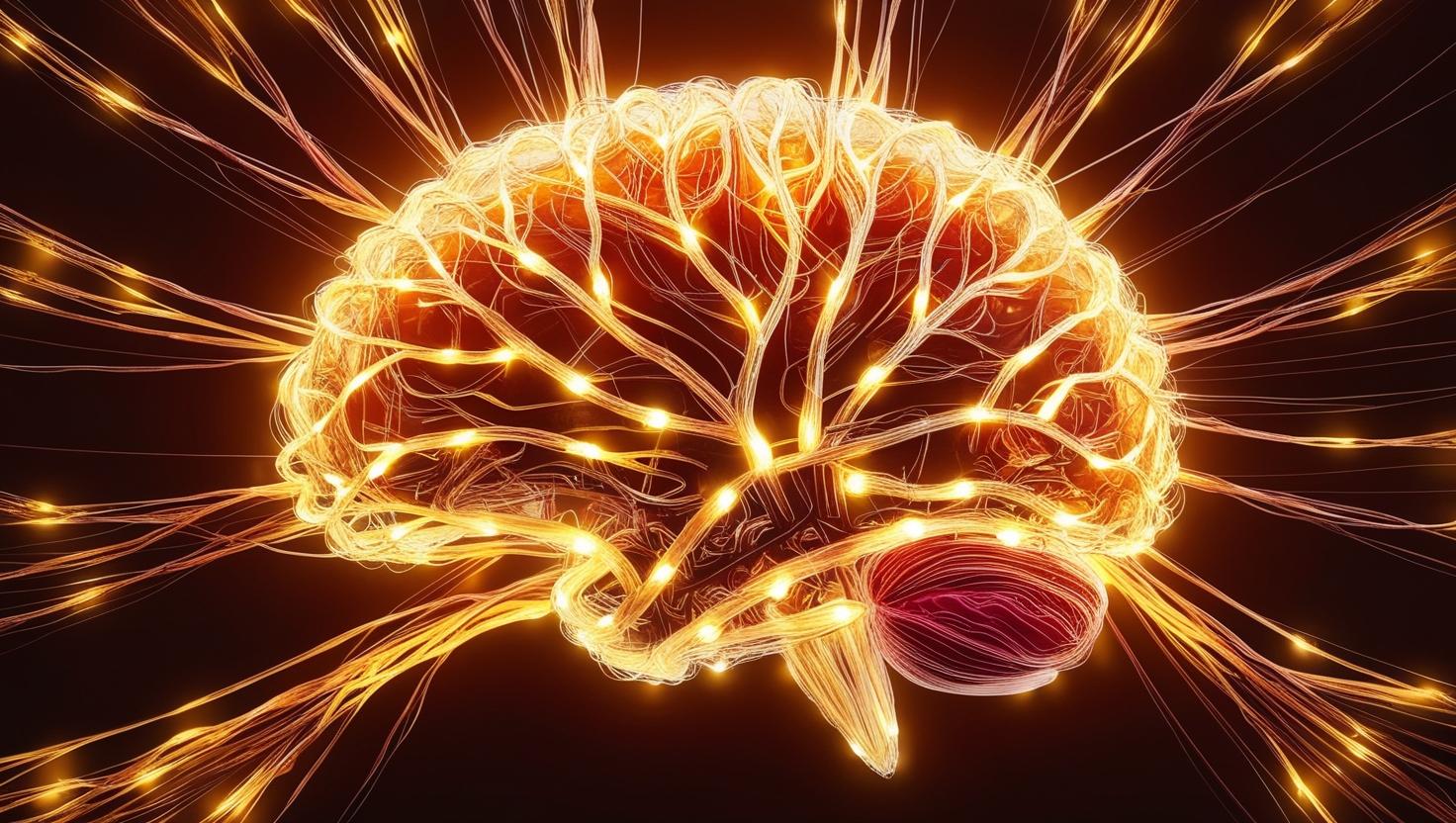
In my case, every time I glanced at my phonetic notes, I was stepping back onto the motorway. My brain was not getting the chance to fully engage with the unfamiliar.
This is why in my hypnotherapy I don’t focus on the problem. I focus on what’s already working. Each time a client visualises success, even something small, like getting through a social event or better sleep, their brain starts firing those circuits. And thanks to something called neuroplasticity, the brain begins to change.
There’s a saying in neuroscience: “Neurons that fire together, wire together.” That means each time we think a new thought, imagine a different outcome, or feel a different emotional response, we strengthen a new pathway. Over time, with repetition and emotional engagement, it becomes easier, smoother, more familiar, and more automatic even when old stress patterns or fear once felt hardwired.
Looking Back
Looking back, I smile at the simplicity of that one moment, one sentence spoken in a small classroom halfway across the world. And how it stayed with me for years before I fully understood why.
At the time, I didn’t know anything about neural pathways or the brain’s default wiring. I was just a traveller trying to make sense of squiggly symbols on a page. But somehow, Lalit’s words landed. They lodged themselves in my memory like a seed that would only bloom later. Who would’ve imagined that years down the line, I’d become a hypnotherapist, someone trained to understand how the brain works, how it changes, and how we can actively rewire it for a better life.
Now, when I help clients shift old thought patterns or create new behaviours, I often think back to that lesson. The principle is the same: if we keep relying on the old code, the brain won’t accept the new one. But if we trust the process even when it feels unfamiliar something new and lasting begins to form.
When the Old Code No Longer Works
Lalit knew that if I kept relying on what was familiar, I’d never truly learn. The same goes for all of us, not just in classrooms on the other side of the world, but in our everyday lives.
Real change asks us to sit with discomfort, even for a moment, and trust that something new is being built in the background.
So, if you find yourself stuck in an old pattern of thinking, reacting, or coping, maybe it’s time to put down the “textbook” you’ve been scribbling in and try a different way. Not by pushing harder, but by working with your brain, not against it.
That’s what hypnotherapy offers: a chance to create new pathways gently and intentionally, so you’re no longer stuck translating life through old scripts. Instead of getting caught in automatic responses like phobias or panic when your mind is simply following an old route, hypnotherapy helps you step onto the new one with far more ease.
Ready to Move Beyond Old Patterns?
If you’re noticing familiar thoughts, reactions, or automatic habits holding you back, you don’t have to work through it alone.
With the right support, your brain can build new pathways far more easily than most people realise.
When you’re ready to explore what that could look like for you, the first step is simple: book a complimentary, no-pressure discovery call here and we’ll take it from there.