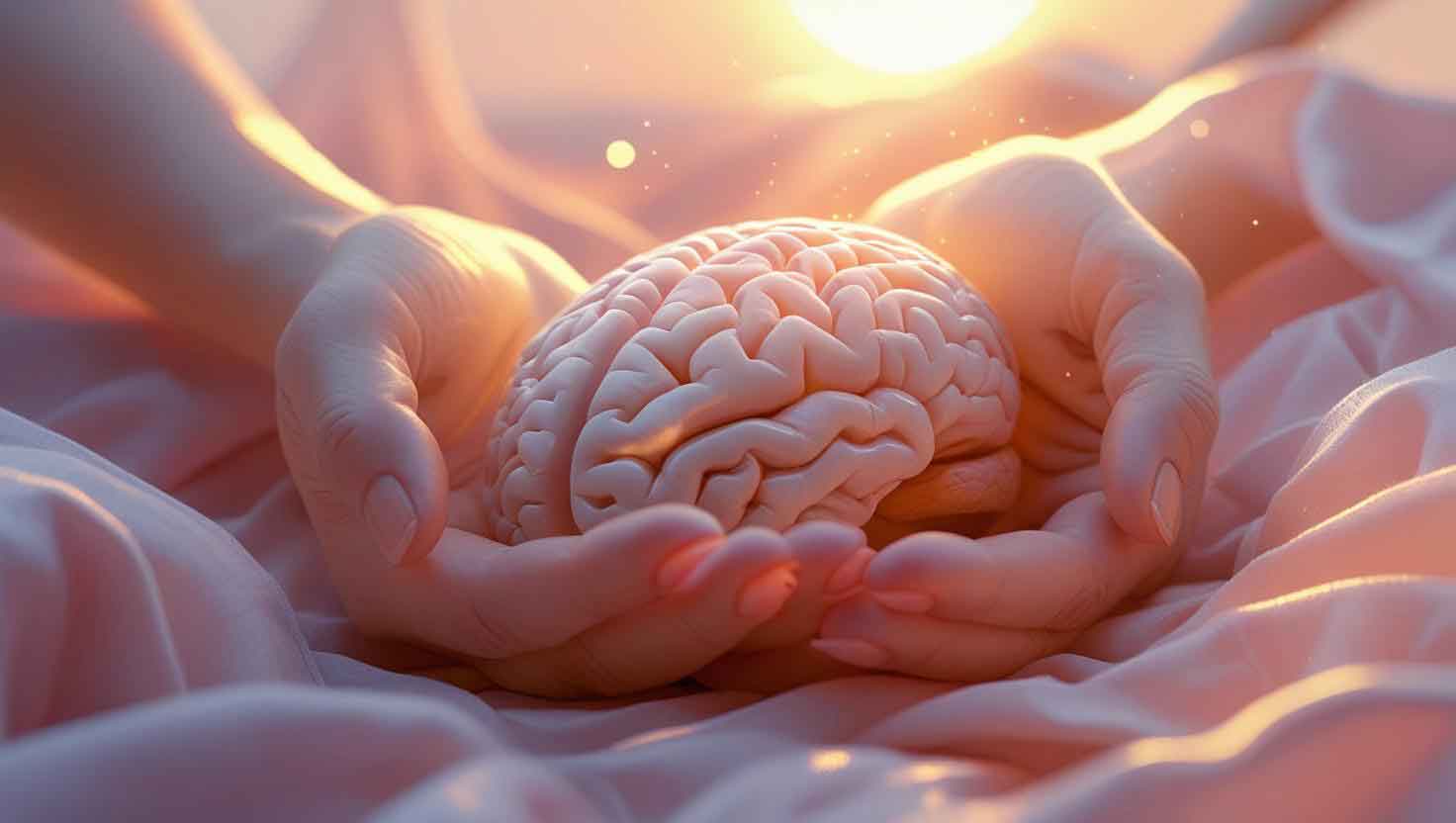
Ever felt foggy or snappy after a poor night’s sleep?
It’s not just in your head. Sleep directly impacts how your brain functions.
The shocking sleep experiment that went too far…
In 1959, New York radio DJ Peter Tripp undertook a bold and deeply unsettling challenge: to stay awake for 8 days as part of a publicity stunt. The experiment was staged live in New York City capturing the attention of thousands of passers-by.
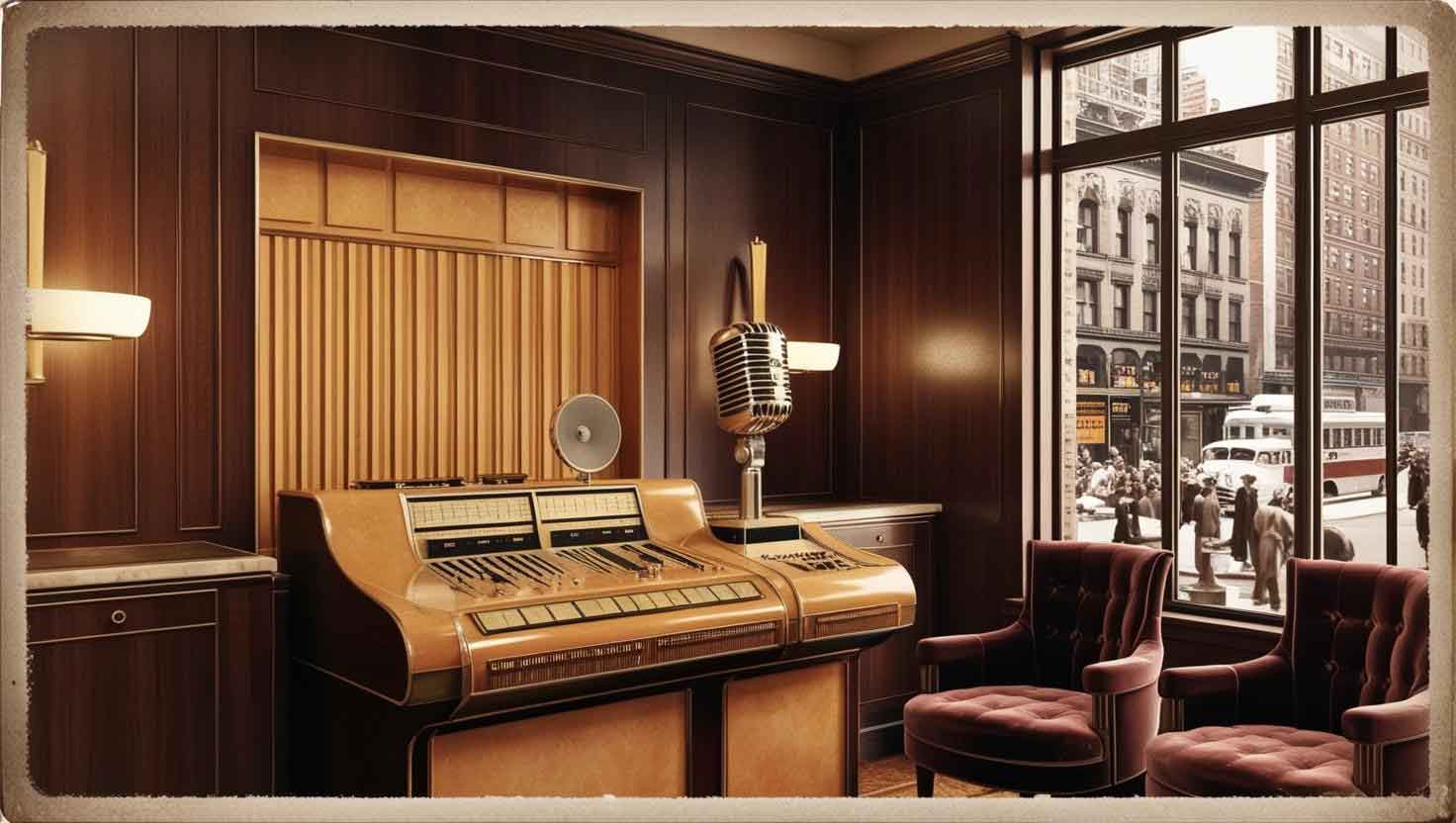
Peter Tripp managed the first five and a half days without pharmaceutical help. But for the final 66 hours, doctors began administering stimulants to keep him going. What unfolded was far from entertaining.
After 100 hours of wakefulness, Tripp struggled with simple maths tasks or to recite the alphabet. After 120 continuous hours of being awake he began to hallucinate and saw flames when he opened his hotel chest of drawers for his clothes.

At first Tripp thought that the scientists had set the fire as a practical joke to perhaps try and get him to drop out of the challenge. Tripp then started to believe that the scientists were conspiring against him and trying to frame him for a crime. Finally, when one scientist dressed in a suit came up to him, Tripp believed that the scientist was an undertaker who had come to bury him. Tripp then ran away into the street.
Tripp’s famous experiment illustrates that sleep deprivation and particularly REM (Rapid Eye Movement) sleep deprivation, leads to a reduction in problem-solving, decision making, memory, learning and emotional control. The more severe effects being, hallucinations, paranoia and a persecution complex towards the end of the experiment. Tripp eventually slept for over 20 hours, but some say he was never quite the same. His career faded, and reports suggest he continued to suffer emotional instability for years.
So, what is sleep and why do we need it?
Sleep might look like rest, but it’s one of the most active and restorative processes your body goes through. It’s a naturally recurring state where awareness fades, muscles relax, and the brain begins its nightly maintenance shift.
During sleep, the brain:
- Repairs itself, clearing out waste and damaged cells
- Processes emotions and balances mood
- Consolidates memories, deciding what to keep and what to forget
- Regulates hormones for stress, appetite, and energy
- Boosts immunity, helping the body fight off illness
So, sleep is your brain’s built-in repair shop. It’s an essential life-support process not a luxury.
What is REM sleep, and why does it matter?
Sleep isn’t just one thing it comes in cycles and REM (Rapid Eye Movement) sleep plays a starring role.
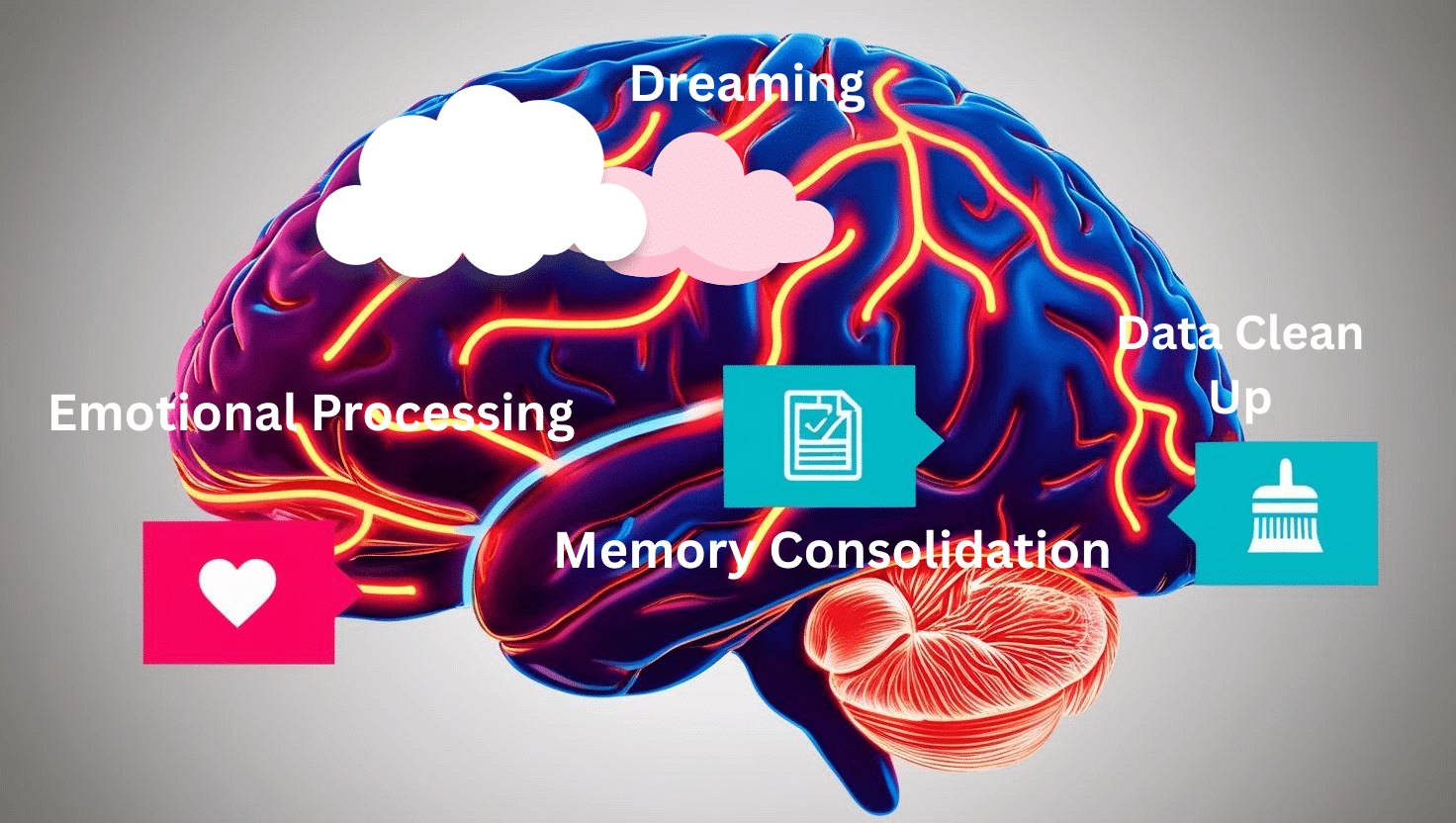
REM (Rapid Eye Movement) sleep is one of the most important sleep stages. It plays a huge role in:
- Dreaming: Most vivid dreams happen in REM sleep.
- Emotional processing: The more intense the dream, the more emotional content your brain is working through.
- Memory consolidation: It’s like the brain’s daily clean-up sorting what to keep and what to forget.
- Brain development: Babies spend more time in REM than adults, suggesting it’s key for brain growth.
Without enough REM sleep, this whole system starts to break down.
The real-world effects of REM sleep deprivation
So even if you’re not pulling a Peter Tripp-style Wakeathon, chronic lack of REM sleep can quietly erode your wellbeing. Research links REM deprivation to:
- Low mood and irritability
- Concentration and memory issues
- Depression-like symptoms
- Heightened seizure risk
- Worsening migraines and blood pressure
- Immune system suppression
- Daytime exhaustion and forgetfulness
In short, REM isn’t just about dreaming it’s about brain survival.
How hypnotherapy can support natural, healthy sleep
If your mind feels constantly wired or your sleep never truly restorative, hypnotherapy can help you switch off and settle down.
In sessions, your brain is gently guided into a deeply relaxed state where stress begins to melt and your nervous system can reset. It’s a powerful shift one that helps you unwind, let go, and rebuild your natural rhythm for rest.
It’s like giving your mind a soft nightly lullaby a quiet pause that helps untangle the day and create space for stillness.
Ready to feel more rested?
If your sleep feels broken, your mind overloaded, or you just can’t seem to switch off, I’d love to help.
📩 The first step?
Head to my contact page to get in touch and request your complimentary discovery call. This helps us start with focus, clarity, and connection. You can book your discovery call here.